
ChinaQiWay Guide
Gua Sha Wellness Guide
A practical teaching guide for Gua Sha tool preparation, holding angle, scraping direction, pressure adjustment, suitable body areas, cleaning, storage, and everyday self-care routines.
Tool Preparation
Traditional Practice
Introduction
Introduction
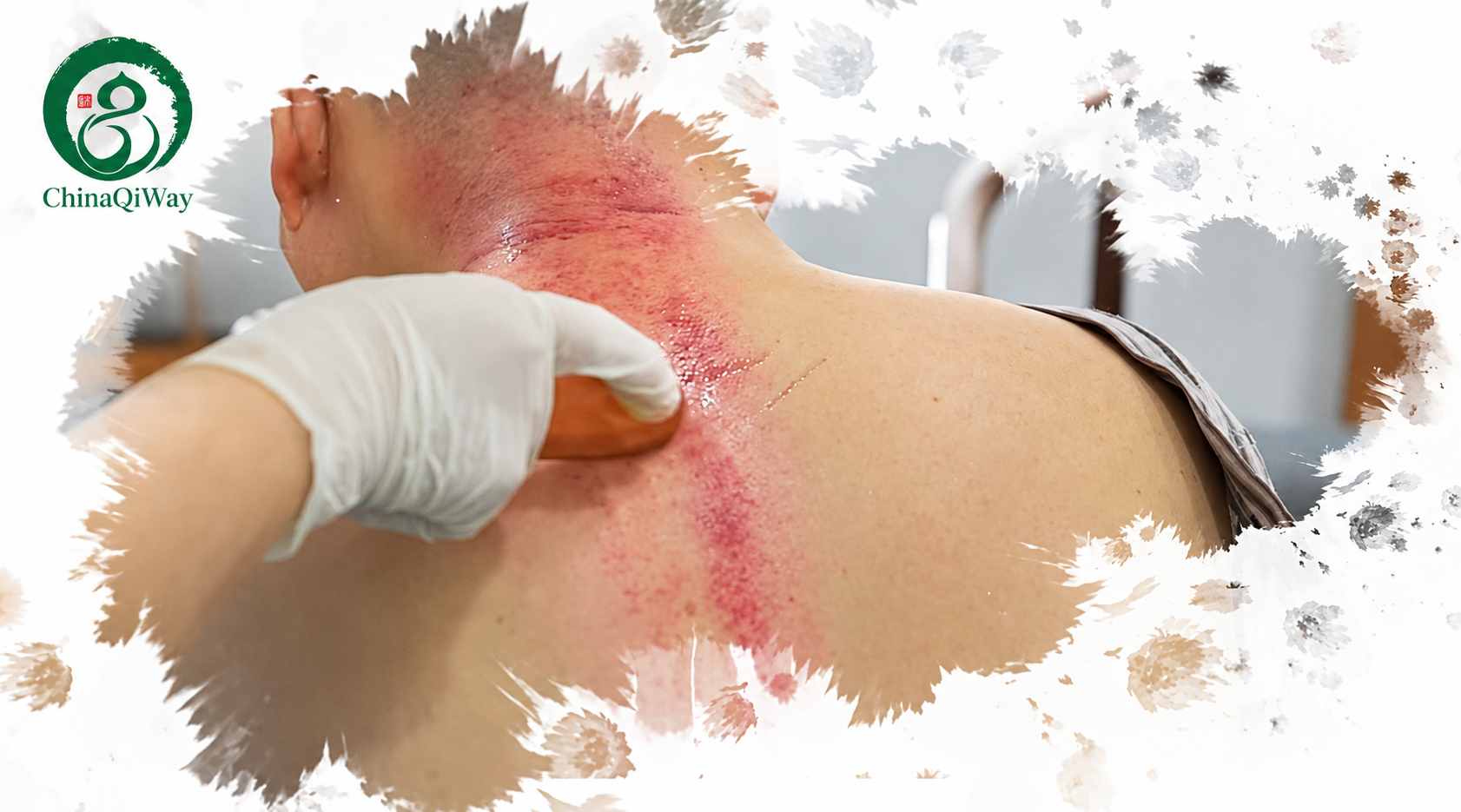
Gua Sha is a traditional wellness practice that uses a smooth massage tool and controlled scraping movements. This guide keeps the practical teaching focus of the original ChinaQiWay guide while presenting the information in a cleaner, easier-to-follow structure.
Practical Guide Feeling
The page is organized for real use: what to prepare, how to inspect the tool, how to hold it, how to move it, and how to clean and store it after a routine.
Wellness Education Only
The guidance is for traditional wellness education, relaxation, and personal self-care routines. Follow product instructions and stay within personal comfort.
Background
What Is Gua Sha?
Gua Sha uses a shaped tool with a smooth edge. The tool is moved slowly across the selected area in a consistent direction, usually with oil or lotion to support smooth glide.
Traditional Practice
Gua Sha belongs to traditional Chinese wellness culture and is often taught as a simple hand-skill practice using carefully shaped tools.
Massage Tool Handling
The tool angle, pressure, edge design, and grip all influence how comfortable the routine feels.
Daily Self-Care
Modern users often include Gua Sha in short, quiet routines focused on relaxation, body awareness, and careful tool care.
Preparation
Tools Preparation
Prepare everything before starting so the routine feels calm and controlled.
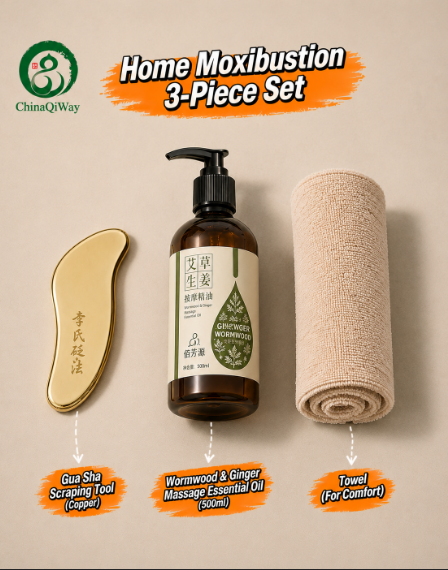
- Gua Sha tool with a smooth edge and comfortable grip.
- Massage oil, lotion, or suitable skincare product for smooth glide.
- Clean towel for wiping the selected area and cleaning the tool.
- Warm, comfortable environment with enough space for slow movements.
- Optional storage pouch or clean surface for placing the tool after use.
Selection Guide
How To Choose A Gua Sha Tool
Material
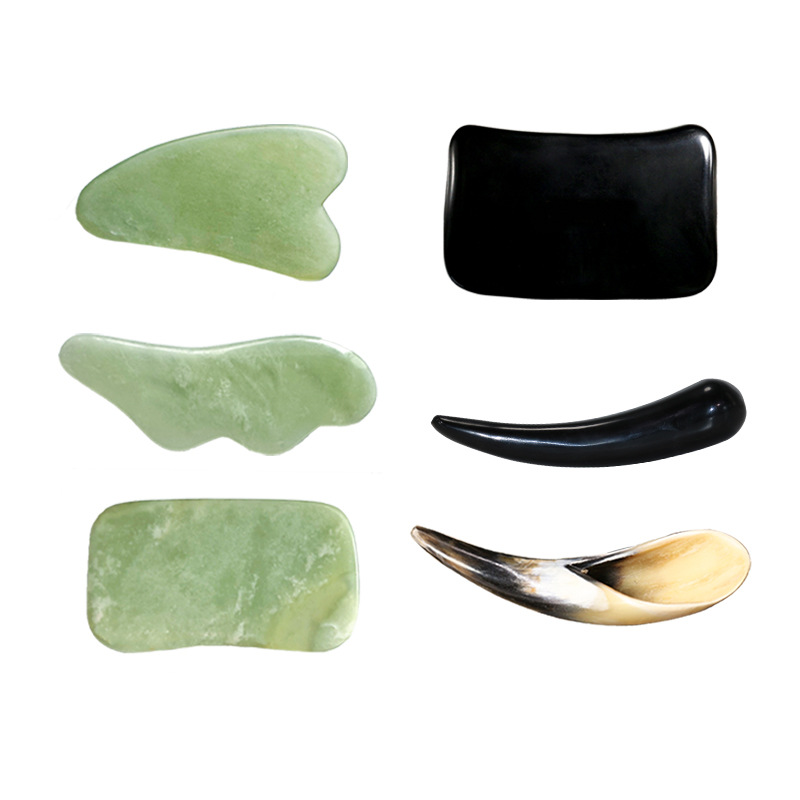
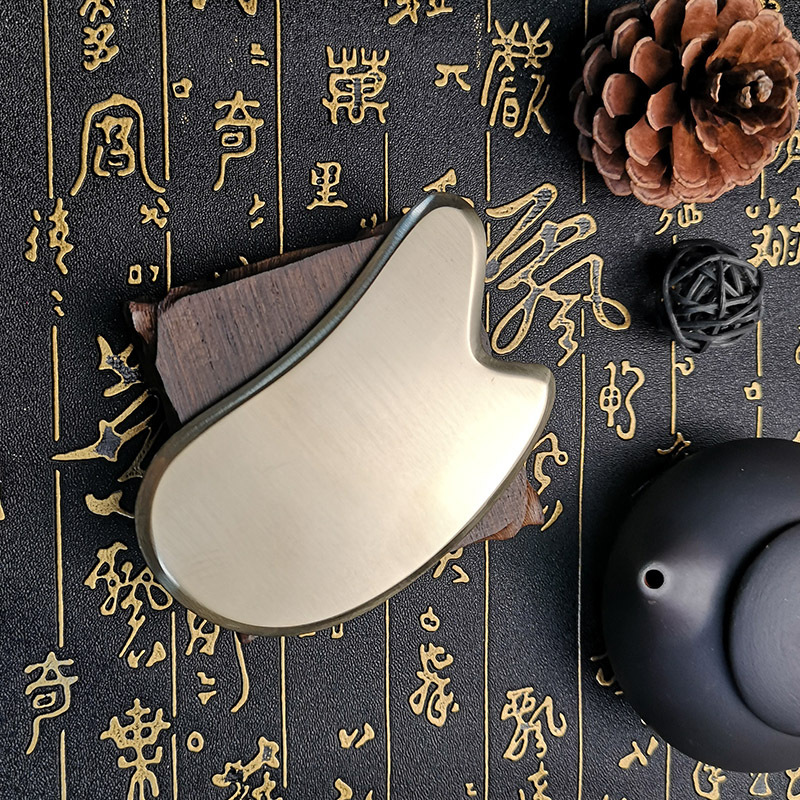
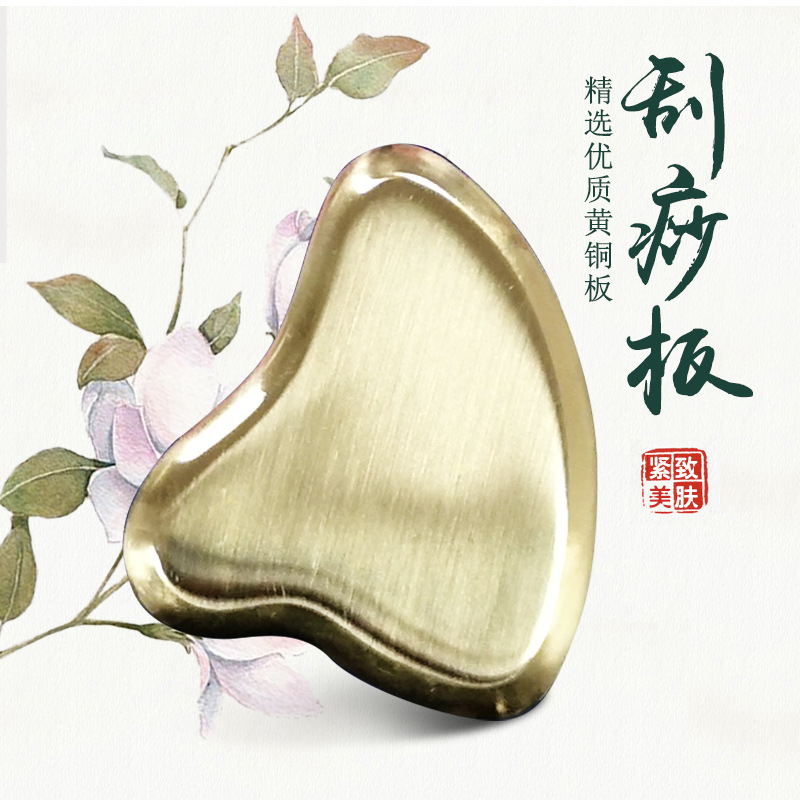
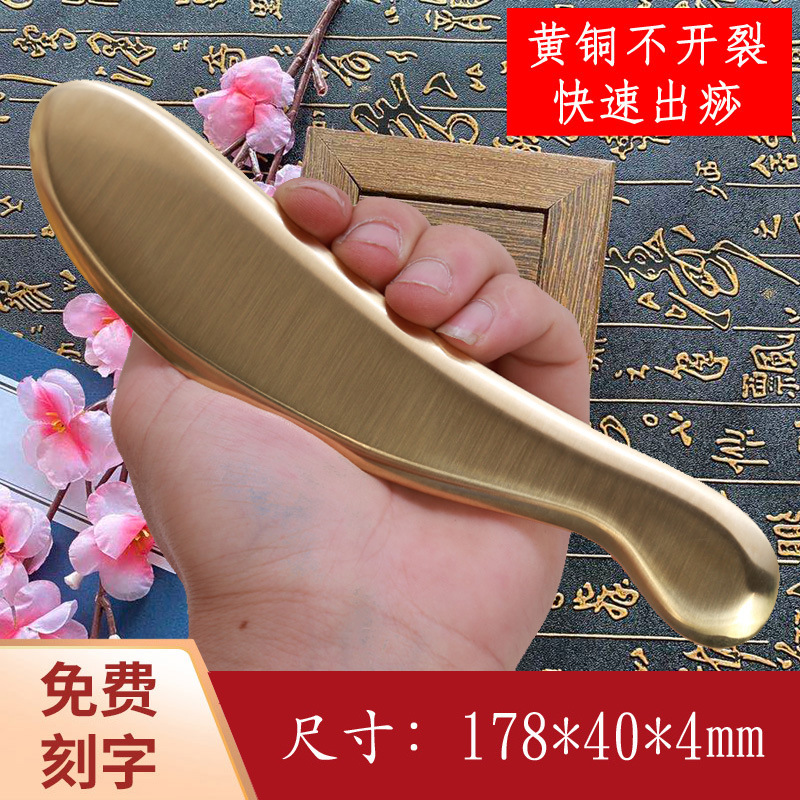
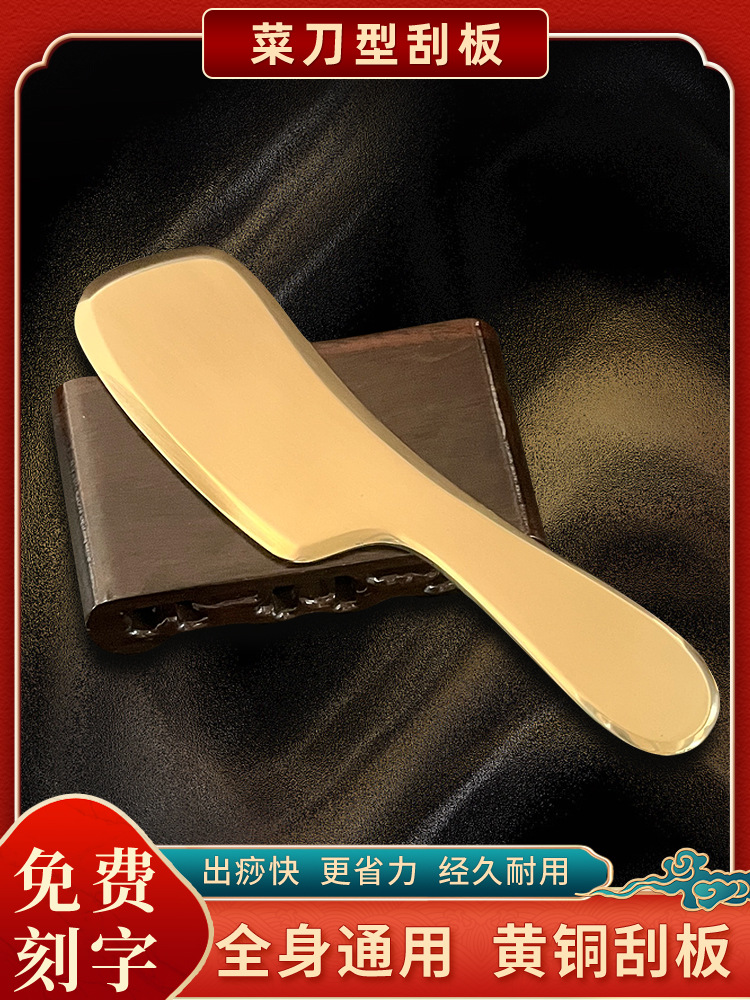
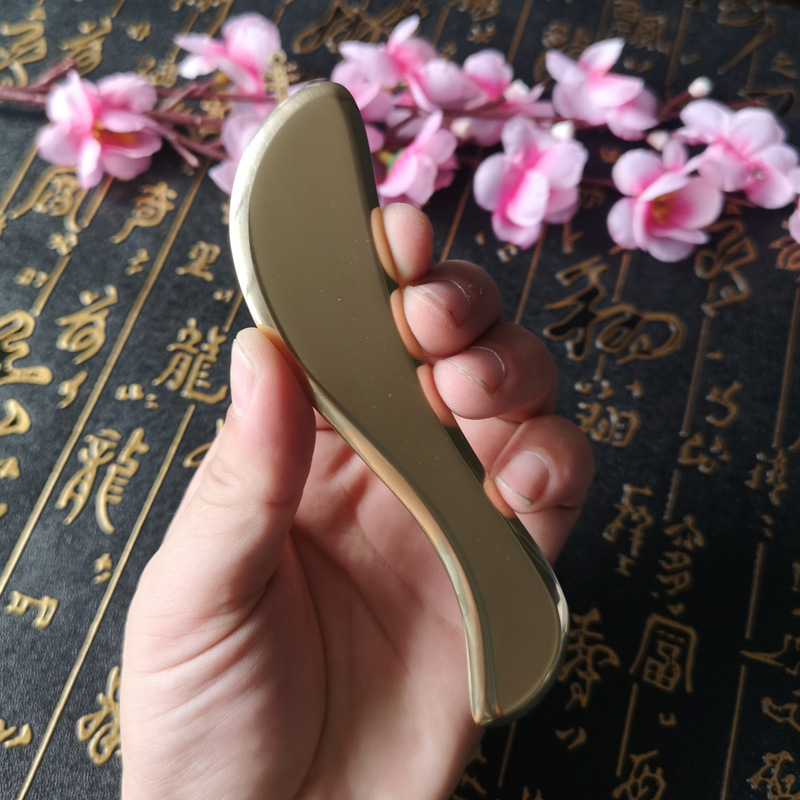
Compare stone, horn-like, brass, copper, and wood materials by weight, texture, visual style, and cleaning needs.
Shape
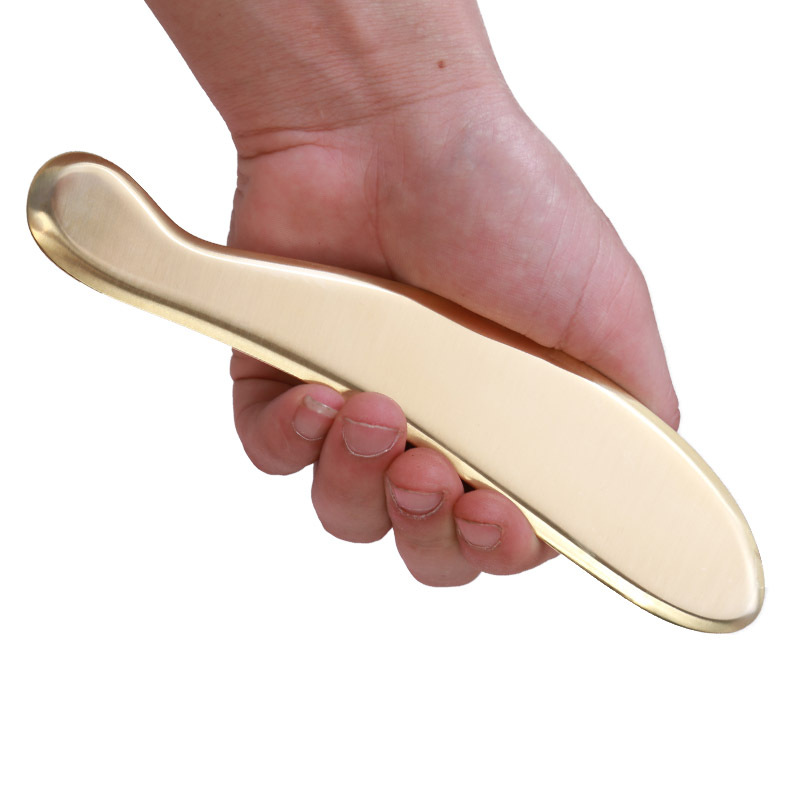
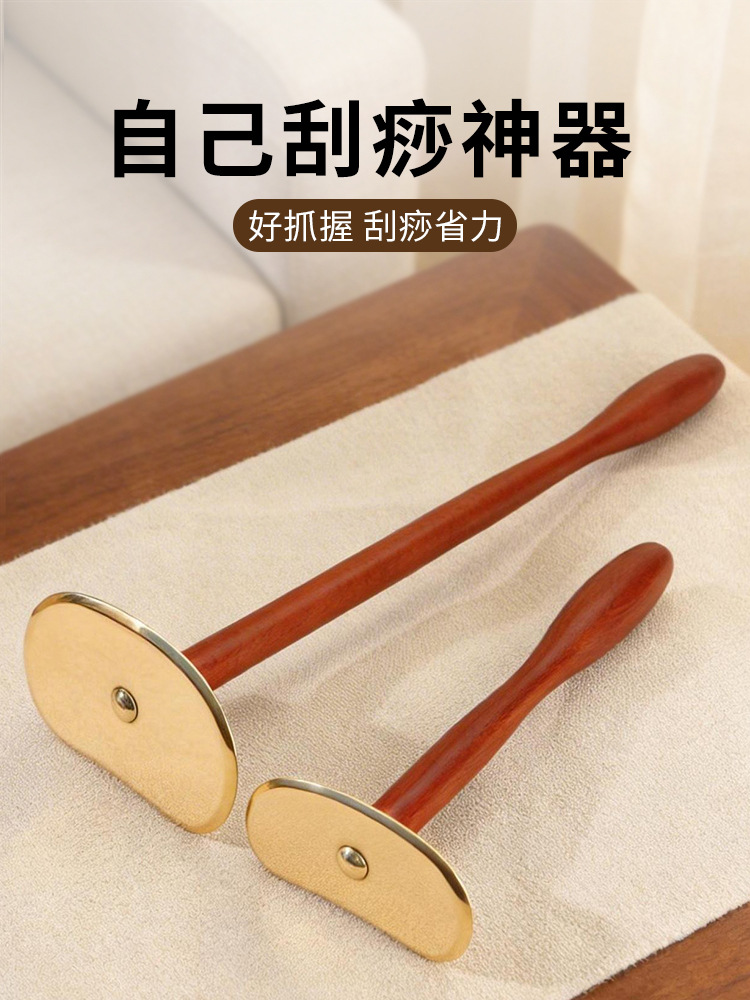
Choose a shape that matches how you prefer to hold the tool, from compact boards to long handles and detailed edges.
Edge Design
Look at smooth curves, comb edges, notches, rounded corners, and flat edges to understand the tool’s handling feel.
Grip Comfort
Consider size, weight, handle length, and surface finish so the tool feels steady and comfortable in the hand.
Usage Scenario
Compact pieces suit travel or simple routines, while larger boards and handled tools may feel easier for broader areas.
Care Requirements
Review whether the tool should be wiped dry, kept away from moisture, stored in a pouch, or handled carefully to protect edges.
Operation Demonstration
How To Use A Gua Sha Tool
The following step-by-step guide restores the practical operation style of the previous template while keeping the wording suitable for wellness education.
Step 1: Prepare tools
Sit or lie down comfortably. Expose the selected area such as the neck, shoulders, back, arms, or legs. Keep the Gua Sha tool, massage oil or lotion, and clean towel nearby.
Step 2: Apply oil or lotion
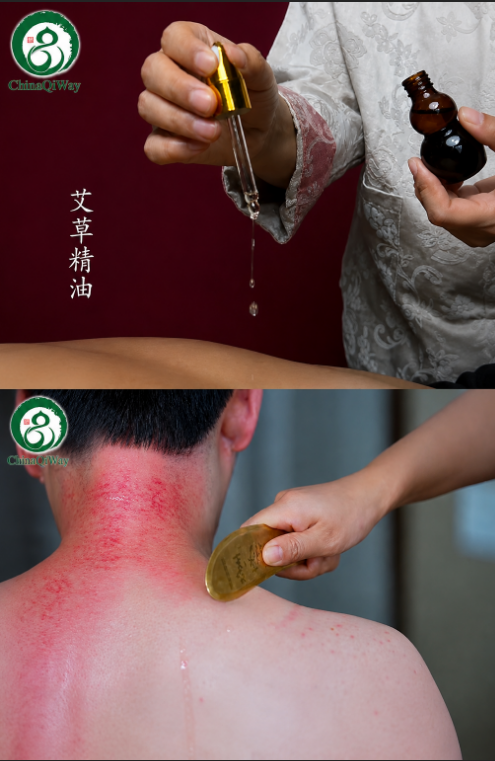
Apply a small amount of oil, lotion, or suitable skincare product evenly to the selected area. This helps the tool glide smoothly and supports a more comfortable self-care routine.
Step 3: Hold the tool at the correct angle
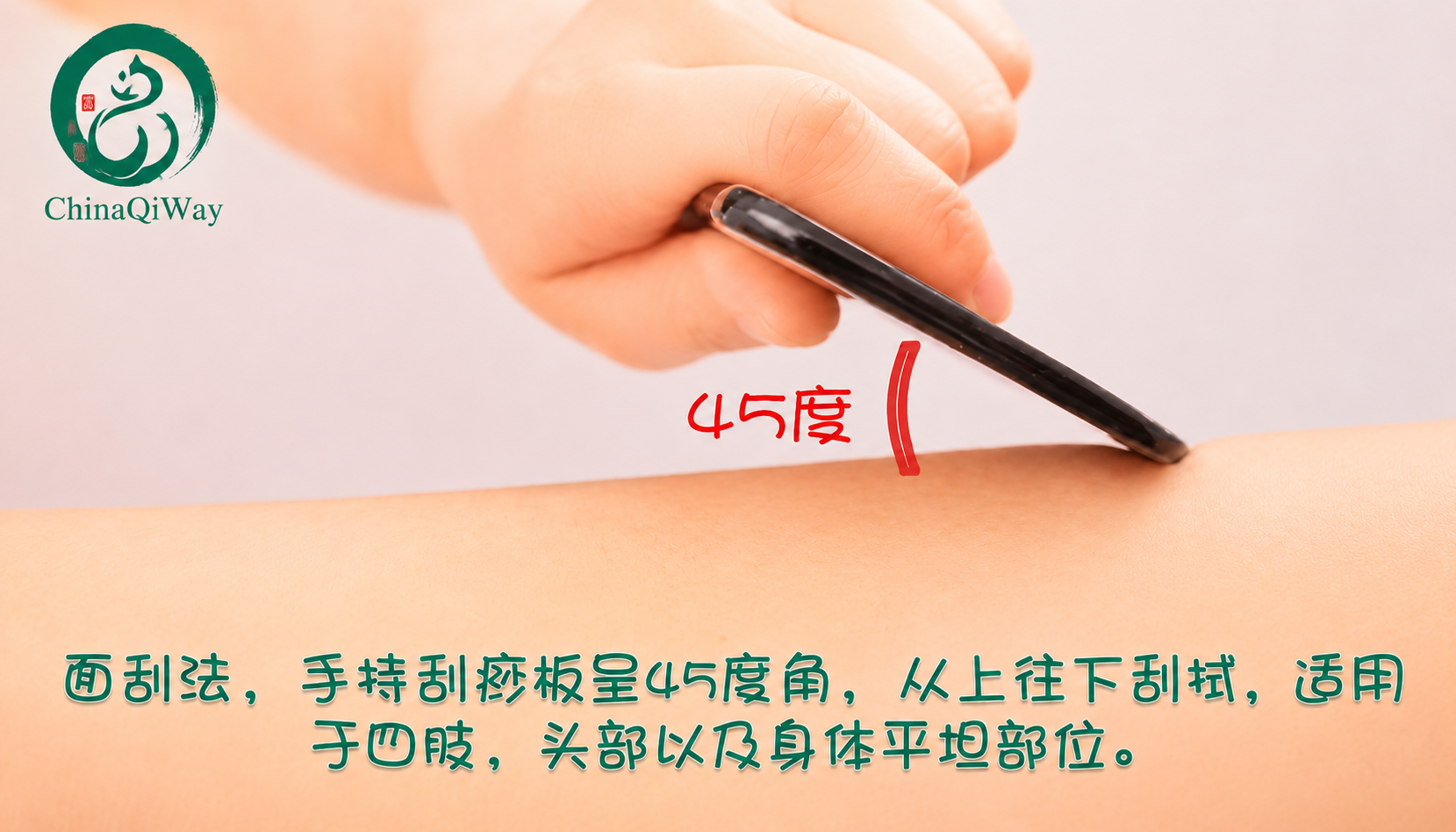
Place the tool against the skin at approximately 30-45 degrees. Keep the wrist relaxed, hold the tool steadily, and let the smooth edge rest naturally against the surface.
Step 4: Follow scraping direction
Gently glide the tool in one direction, following natural body contours. Use smooth outward or downward strokes, and avoid fast back-and-forth movement.
Step 5: Adjust pressure
Start with light pressure and adjust gradually based on personal comfort. Repeat a movement about 20 to 30 times only if it remains comfortable, and avoid working over an overly large area at once.
Step 6: Clean and store
After use, wipe away extra oil or lotion with a clean towel. Clean the tool according to its material, dry it fully, and store it away from moisture, direct sunlight, and hard impact.
Body Area Guidance
Suitable Areas
Choose areas where the tool is easy to control and the movement feels comfortable. Keep the routine gentle and avoid broken, irritated, or highly sensitive areas.
Neck
Use short, gentle strokes and keep pressure light. Avoid the front of the neck.
Shoulders
Use slow outward strokes where the tool feels stable and comfortable.
Back
For broader areas, use a larger tool or ask an experienced wellness user for help with comfortable reach.
Arms
Use controlled strokes along comfortable directions and avoid forceful pressure.
Legs
Use longer strokes only where movement feels smooth and manageable.
Safety Guidance
Safety Tips
Use Gentle Pressure
Apply even, comfortable pressure. Do not use excessive force, and stop if the routine feels uncomfortable.
Check Your Environment
Use the tool in a warm, calm space. Avoid rushing, and keep your body relaxed during the routine.
Avoid Sensitive Areas
Do not use the tool on broken, irritated, inflamed, scarred, or highly sensitive skin areas.
Stay Within Personal Comfort
If you feel dizzy, nauseous, or unwell, stop the routine and rest. Seek professional advice when needed.
After Use
Keep the selected area warm and avoid sudden cold exposure immediately after a routine.
Tool Care
Clean the tool after each routine and store it dry. Protect polished stone, horn-like, metal, and wood tools from impact.
Recommended Products
Recommended Gua Sha Tools
Selected stone, brass, copper, and crafted Gua Sha tools from ChinaQiWay’s Gua Sha Tools collection.
Customer Questions
FAQ
What is a Gua Sha tool used for?
A Gua Sha tool is used in traditional wellness practice as a smooth-edged massage tool for personal self-care routines.
How do beginners choose a Gua Sha tool?
Beginners may prefer a smooth, easy-to-hold shape with clear product information. Compare material, size, weight, edge style, and cleaning requirements before ordering.
How often can I use a Gua Sha tool?
Frequency depends on personal comfort and product guidance. Short, gentle routines are usually easier to repeat than long or forceful sessions.
How should Gua Sha tools be cleaned and stored?
Wipe the tool after use, dry it fully, and store it away from moisture, impact, direct sunlight, and extreme heat.