Gua Sha Tool Guide
Choose by Feel, Weight, and Daily Routine
When you first shop for a gua sha tool, the options can feel confusing: brass, horn, jade, bian stone, different shapes, different weights, and very different prices.
The simplest rule is this: there is no single best gua sha board. The better choice is the one that matches your skin feel, hand strength, body area, and daily self-care routine.
Brass
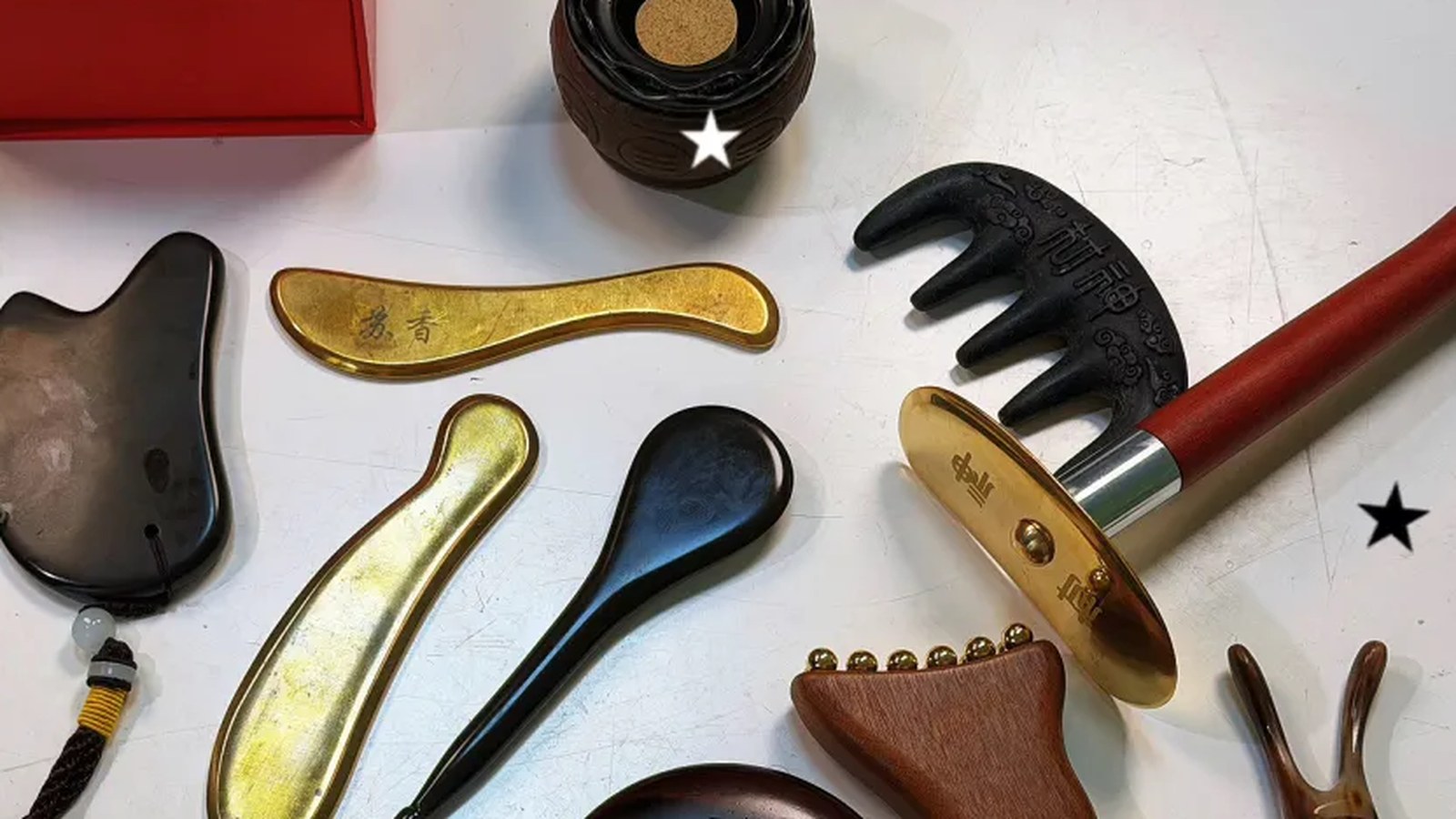
Best for users who like a weighted, steady tool for larger body areas and more precise hand control.
Horn
A softer everyday choice for light routines, sensitive skin feel, and simple home self-care.
Jade
Often chosen for face routines, morning puffiness care, and a smooth, cooling sensation.
Bian Stone
A grounded option for people who prefer a warmer stone feel and a steady hand-held weight.
1. Brass Gua Sha Tool
For Firm, Weighted Bodywork
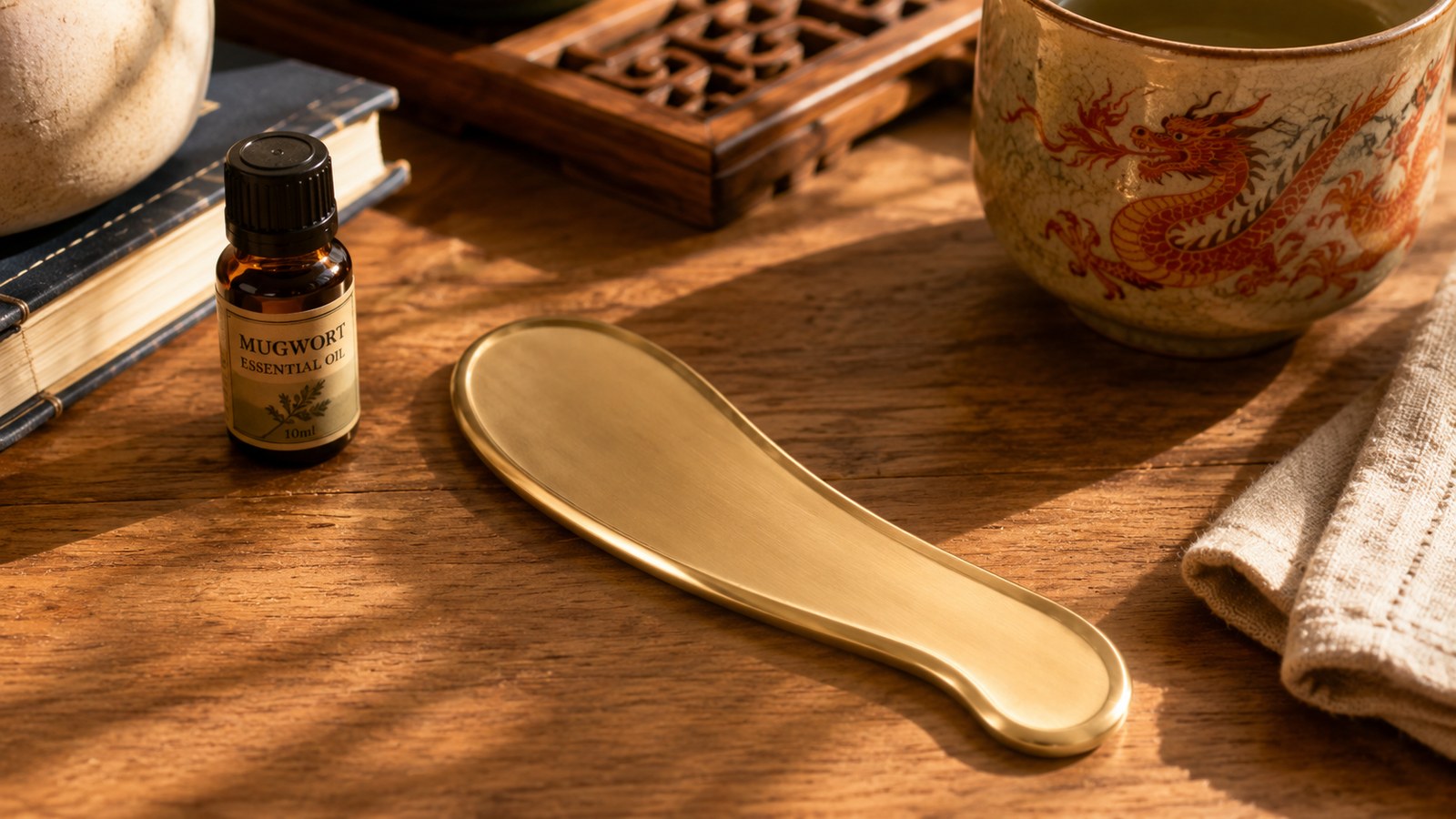
Brass tools usually feel solid in the hand. Because of their natural weight, they can glide with less effort than a very light tool. Many users like brass for shoulder, neck, back, arm, and leg routines where a stable hand feel matters.
- Good for users who prefer a firm tool.
- Helpful for larger body areas where weight saves hand effort.
- Easy to wipe clean after use.
- May darken with oxidation, which can usually be polished.
2. Horn Gua Sha Tool
For Softer Daily Self-Care
Horn tools are often appreciated for their smooth, warm, and gentle hand feel. Compared with metal, horn usually feels less intense on the skin, which makes it approachable for light home routines.
Choose horn if your routine is gentle, short, and focused on comfort rather than strong pressure.
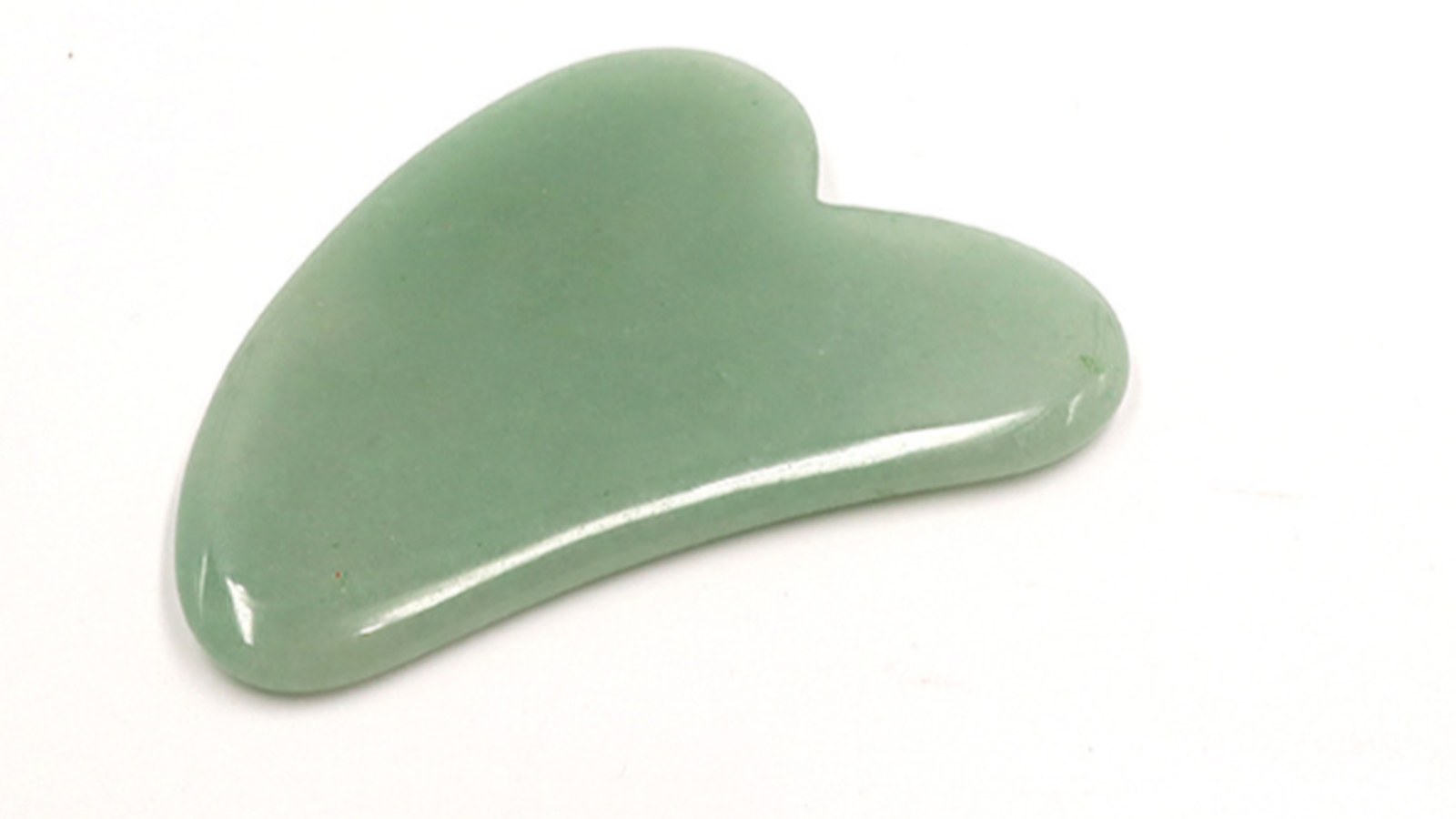
3. Jade Gua Sha Tool
For Face Routines and a Cool Touch
Jade-style tools are popular for the face because they are smooth, easy to hold, and naturally cool to the touch. Many people enjoy using them in a slow morning or evening facial self-care routine.
Choose jade if you mainly want a face tool and enjoy a clean, cooling, spa-like feel.
4. Bian Stone Gua Sha Tool
For a Grounded, Warm Stone Feel
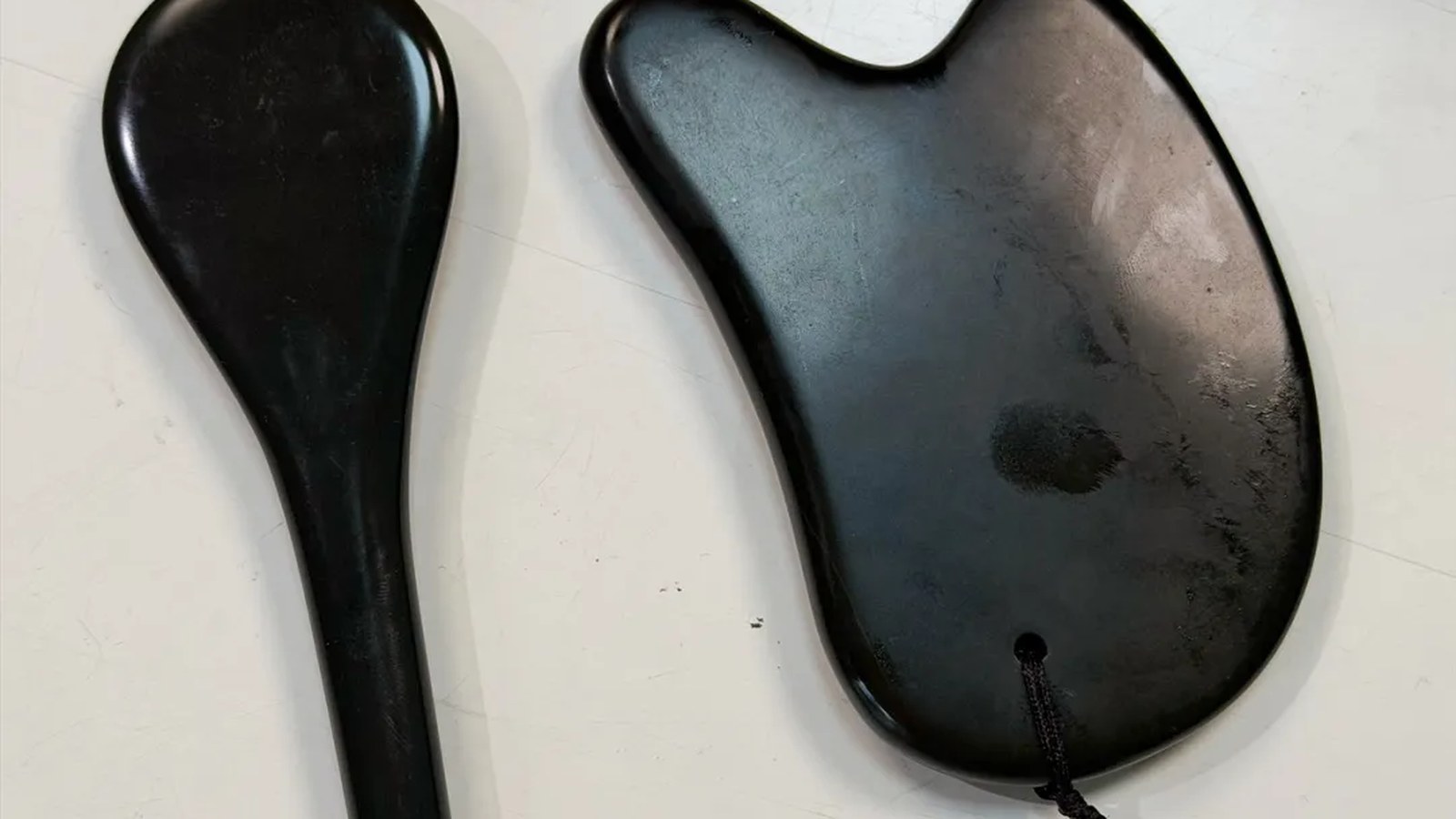
Bian stone tools are often chosen by users who want a heavier stone feel with a warmer, grounded character. They can work well for people who enjoy slow body routines and prefer a tool that feels substantial in the hand.
Choose bian stone if you prefer a solid tool and a slower routine with a warm, grounded feeling.
Quick Decision
Which One Should You Choose?
If you are still unsure, start from your main use case rather than the material name.
| Main Need | Better First Choice | Why |
|---|---|---|
| Body routines with a firm hand feel | Brass | Its weight makes the glide feel stable and controlled. |
| Sensitive skin feel or gentle family use | Horn | It usually feels softer and less intense. |
| Face care and cooling touch | Jade | It is smooth, polished, and naturally cool. |
| Warm, slow, grounded body self-care | Bian stone | It gives a dense stone feel and steady contact. |
Care Tips
Keep Your Tool Clean, Dry, and Personal
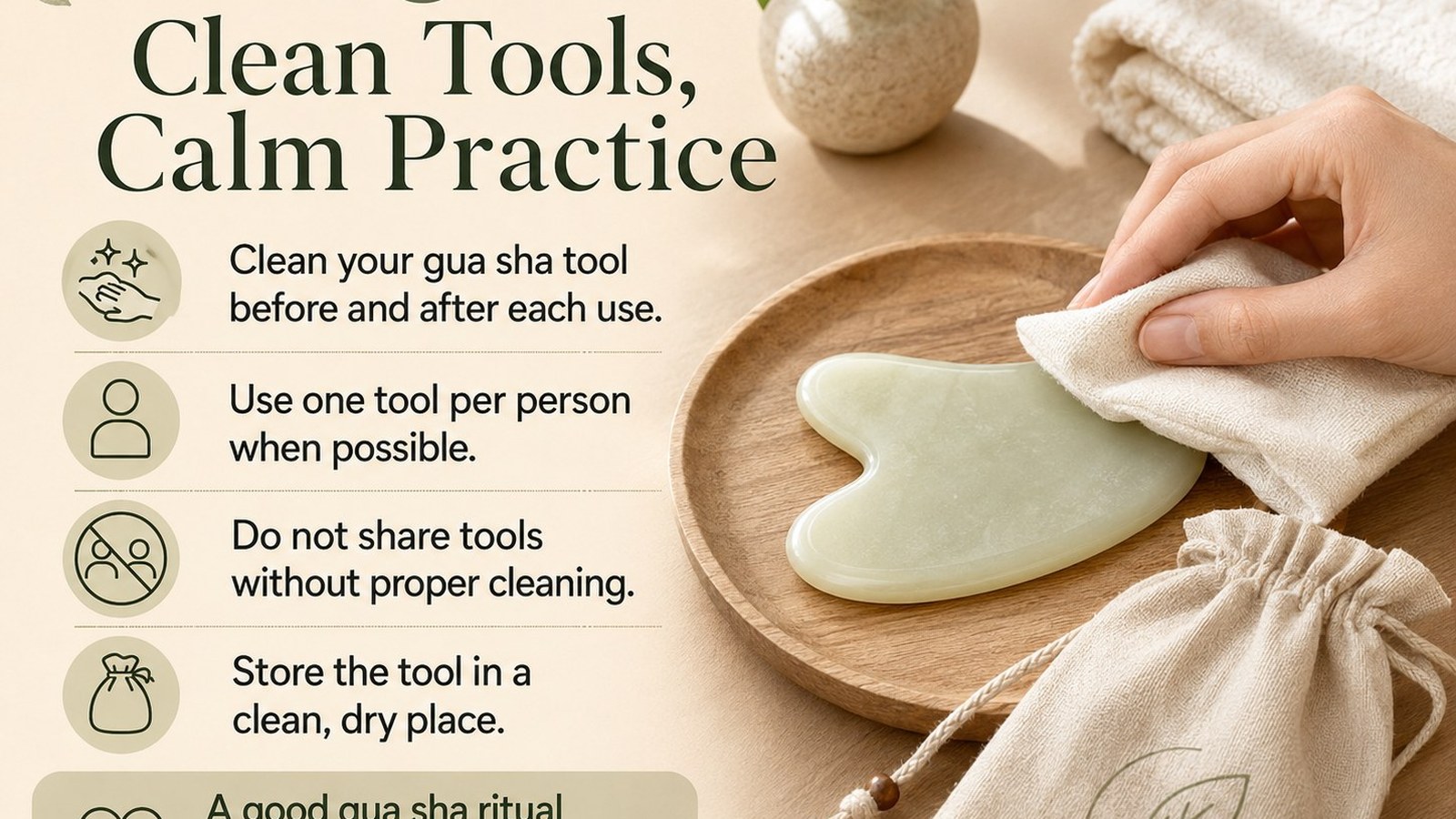
A good gua sha routine should feel clean, calm, and respectful to the body. Tool care is part of the practice.
- Wipe the tool after each use.
- Dry fully before storage.
- Keep horn tools away from long-term moisture.
- Avoid dropping jade or stone tools.
- Use one tool per person when possible.
FAQ
Common Questions
Which gua sha tool is best for beginners?
For a gentle start, horn or a smooth jade-style tool may feel easier. If you prefer a firm, weighted tool for body routines, brass can be a practical first choice.
Can I use one tool for both face and body?
Yes, but many users prefer separate tools for comfort and cleanliness. A smaller smooth tool is often easier for the face, while a heavier board may feel better for the body.
How should I clean a gua sha tool?
Wipe away oil after use, dry the surface fully, and store it in a clean place. Follow the care needs of each material, especially horn, jade, and stone.